
(Your June 2024 Integrative Health Update from Dr. Greg Nigh)
Hydration and Stress
I often ask patients how much water they drink. At least 80% of the time the response is, “Not enough.” Everyone knows they should stay hydrated yet few make it a point to do it.
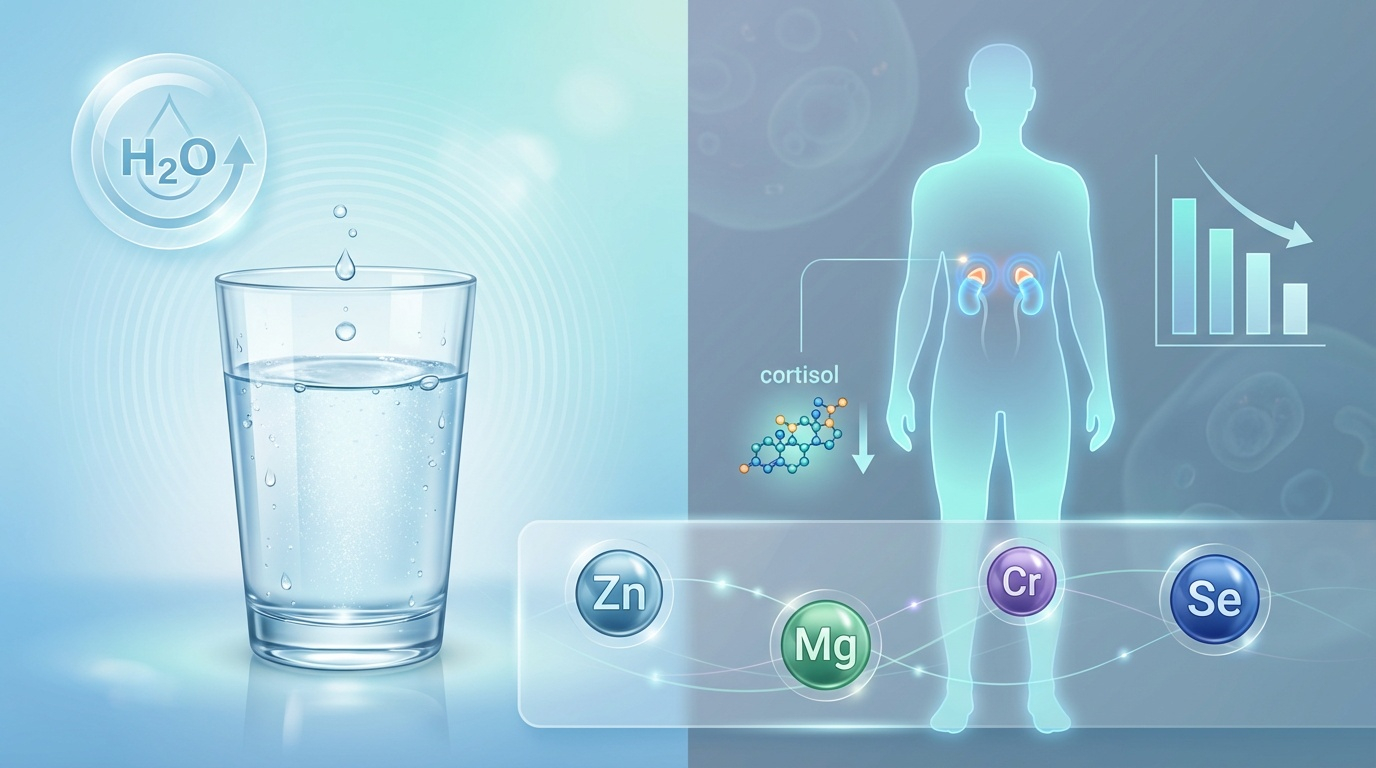
A study recently published in the Journal of Physiology highlights the impact that lack of adequate hydration has on the body’s stress response. They looked at the increase in cortisol – the “stress hormone” – caused by a stressful event in subjects who had been divided into “low hydration” and “high hydration” categories. They found that those who stayed more hydrated had lower cortisol levels in response to stress.
In this study, “low hydration” meant around 1.5 liters of water daily. “High hydration” meant about 4.5 liters of water daily. Since high cortisol is linked to diabetes, osteoporosis, heart disease, hypertension, and dozens of other serious health issues, it might be a good idea to move hydration a bit higher up the priority list.
Staying hydrated means more than just drinking water. Your body must “hold onto” the water you drink. Mold exposure, hormone imbalances, mineral deficiencies (see below), and other problems could cause water to “go right through you.” If you drink ample water but feel chronically dehydrated, we should talk about testing to find the reason for that.
Missing Minerals
A study published in the Journal of Orthomolecular Medicine suggests that a very large percentage of people might be deficient in several essential minerals. The author, Dr. Joseph Campbell, tested essential and toxic mineral levels in the hair of 1 000 consecutive patients. His findings were quite shocking. Of those 1 000 subjects, he found one or more of 16 different essential minerals to be deficient. Phosphorous, the least common deficiency detected, was found deficient in 3 % of the study population. Chromium, on the other hand, was deficient in 63 % of those tested! Given chromium’s essential role in regulating blood sugar and insulin sensitivity, widespread deficiency has enormous implications for public health.
Twenty percent or more of subjects tested were deficient in at least one of 12 different essential minerals, including molybdenum (20 %), zinc (36 %), selenium (28 %), and magnesium (49 %). Perhaps even more concerning, elevated aluminum, a highly toxic metal, was found in 24 % of those tested. Elevated aluminum has been linked to multiple neurological conditions including Alzheimer’s, Parkinson’s, and MS, in addition to bone disease, anemia, and other serious health problems.
There are a few different ways to test for and quantify the levels of both essential and toxic minerals in your body. If you’d like to find out more about that schedule with me at https://gregnigh.com/schedule.


