August 2026 · Newsletter
Thoughts About the Perils and Potentials of AI in Medicine
The prediction that AI is going to change everything is now ubiquitous. It is surely true. The advances made on publicly available AI platforms over the past 5 years has been both fascinating to use and shocking to observe. And of course the AI available for public use represents only a small fraction of AI capabilities. I’m guessing the AI used to fly drones over battlefields is a bit more sophisticated than the AI used to create an image of a pig in a tuxedo.
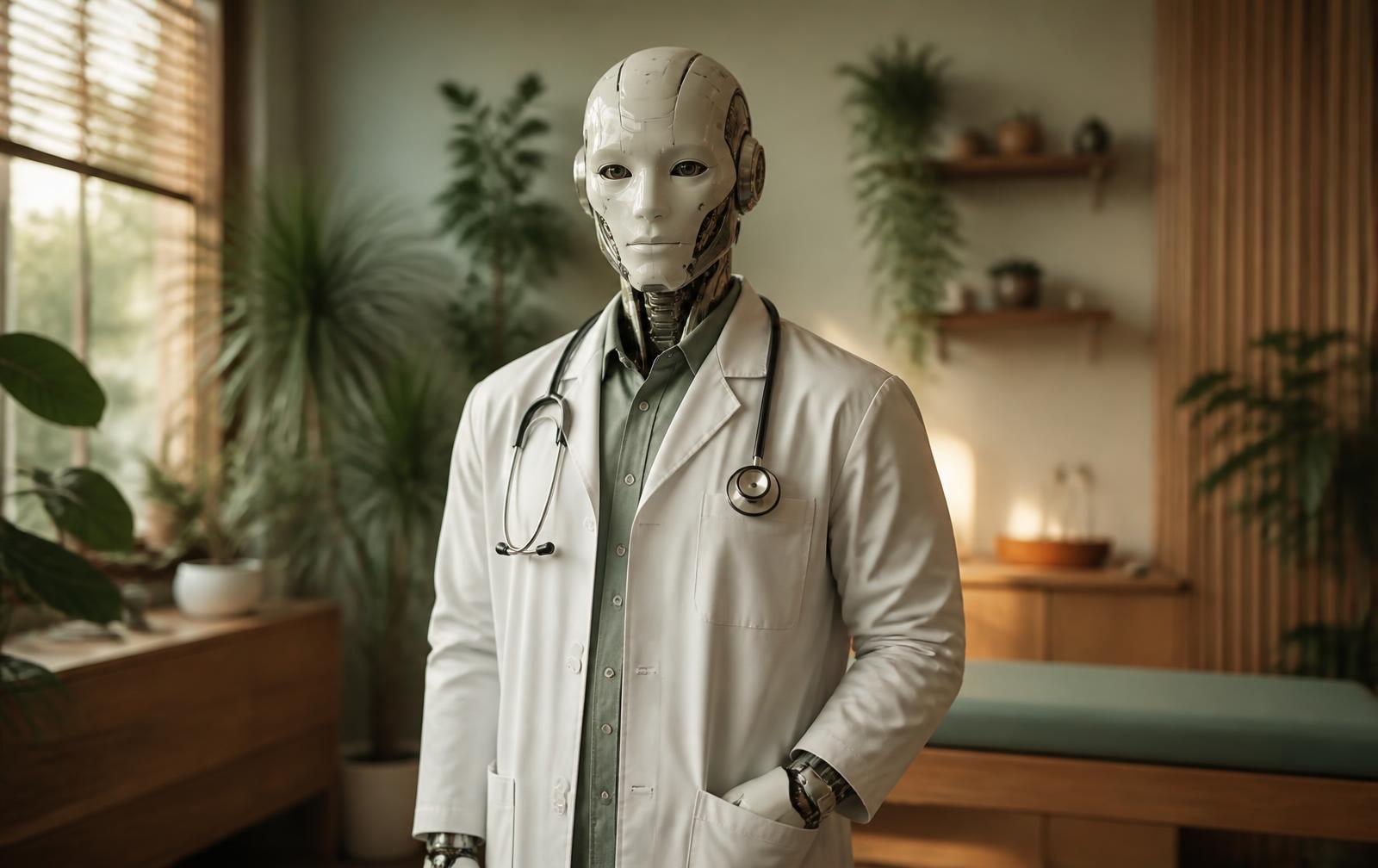
The prediction is that AI will likely replace the majority of white-collar jobs. On a longer horizon it is not at all unthinkable that AI, paired with robotics, will replace many physical labor jobs as well — such as building houses and paving roads.
AI is already in the clinic
The field of medicine has already been profoundly impacted by the advent of AI, and those changes are only just getting started. It is being used to read medical images, analyze labs, monitor biometrics, and of course offer treatment suggestions to the millions seeking those answers every day. All of these functions will be expanded upon, feeding medical data and even the questions you are asking about your health into the cloud. There it will live indefinitely and will surely be connected, in the not-so-distant future, to our individual travel patterns, spending habits, media consumption, and who knows what else.
The one thing AI cannot replace
There is one health-related function, though, that AI will never be able to replace: it will never be able to actually improve your health. Just like any competent physician, AI can tell you its best guess as to what it is that’s causing your symptoms and what therapies could help resolve them. But it will always be up to each individual to actually implement any suggestions. Control over our health may be one of the last remaining vestiges of autonomy we retain as AI sweeps through our modern world.
Coworker, not doctor
I have spent a few hundred hours interacting with various AI platforms as I designed, and then implemented, several web-based apps over the past several months. It is interesting that, over the course of an 8-hour session of back-and-forth exchanges, it can have the feeling that you’ve been in a conversation with a coworker, and even that the coworker had become familiar to you.
What I think, though, is that working on building an app is fundamentally different than working to restore health. AI can take on the role of a coworker in the former situation, but AI cannot take on the role of a doctor in the latter situation. It can (and will) convey the knowledge that doctors had exclusively conveyed previously. It cannot play the role of a doctor, a role that extends far beyond the mere conveyance of information.
A potential pressure toward compassion
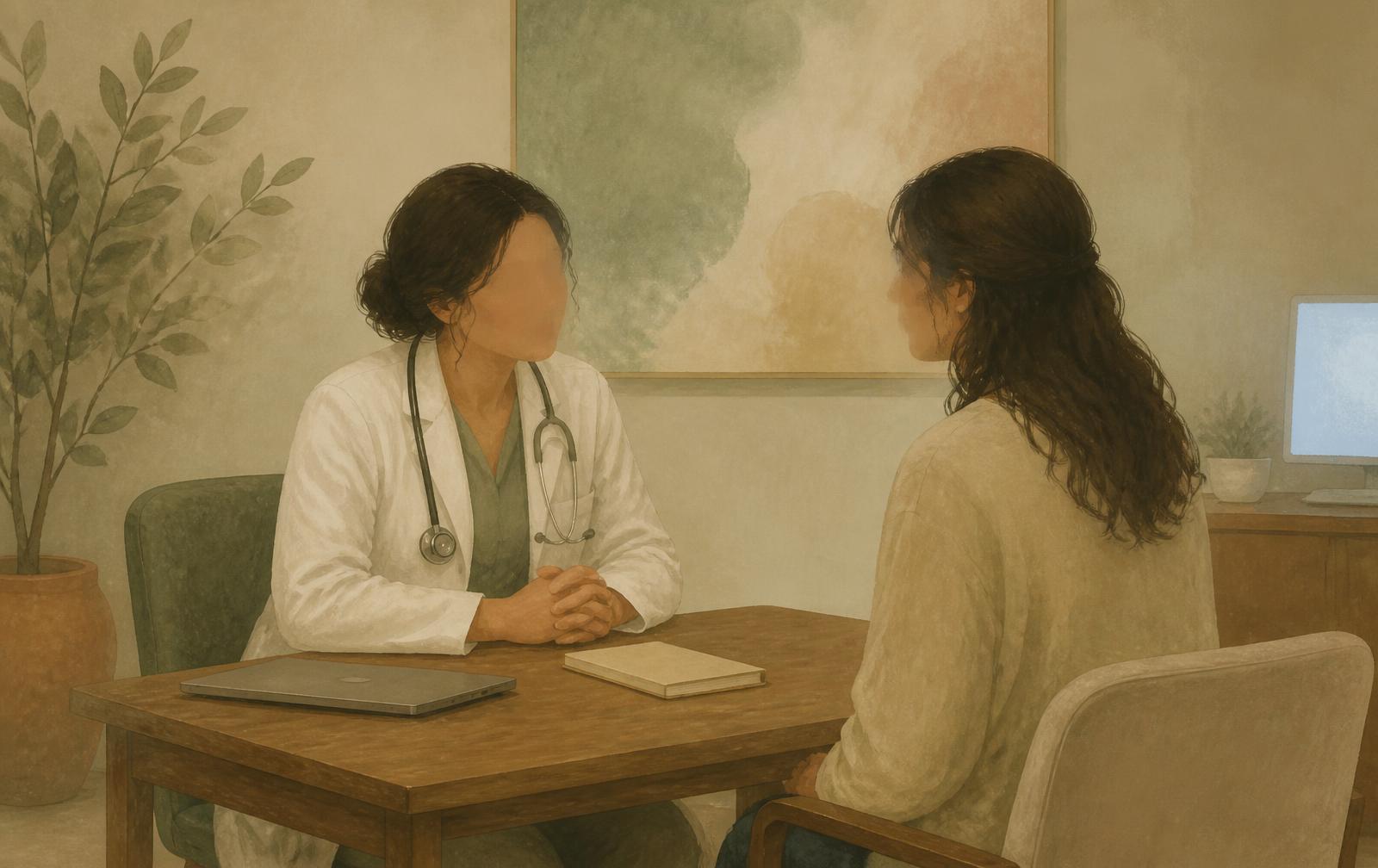
AI will unquestionably change the entire profession of health care, including how it is practiced by naturopathic doctors. There are many scenarios in that development that seem quite ominous. That said, I can see the potential that AI could also put pressure on health care professionals to do something AI can only pretend to do, something that has become a rarity in our modern medical system: connecting with and having deep compassion for the patients we encounter throughout every working day.
If you’re looking for that kind of care — one that uses the best of what technology can offer without losing the human connection — schedule with me through the Schedule link on this site, call 503-719-4806, or email Lisa at drnigh_info@gregnigh.com. Patients in Rhode Island can schedule with me through rhodeislandnaturopathic.com.
Share this article
- Telehealth
Related topics from Dr. Nigh
- May 2026ApoB: A Major Cardiovascular Risk Marker Everyone Over 40 Should KnowApoB reveals broader cardiovascular risk than LDL alone. Learn why people over 40—or with family history—should test it regularly.
- May 2026Bluetooth Biometric Monitors: Hidden Health Risks & Data Privacy DangersDiscover the hidden health and privacy dangers of Bluetooth biometric wearables—from EMF-linked thyroid risks to cloud surveillance—and learn safer strategies.
- April 2026Enhance Lung Health: Surfactant, Nanobubbles & Better BreathingDiscover how nanobubbles and surfactant plus slow exhalation boosts lung health. Learn breathing techniques and nutrition tips for better respiratory wellness
- April 2026New BA.3.2 Variant: Understanding Risk vs PanicThe CDC is warning about a new COVID variant called BA.3.2—“highly mutated,” “escaping immunity,” “ramping up.” But deep in the reports: no evidence it causes more severe disease or hospitalizations. This article takes a closer look at what we know, what remains speculative, and why fear has become a public health tool.
Discussion
NOTE: Comments on blogs, once approved, become viewable to the public. If you would like to comment directly to Dr. Nigh privately in response to this blog post please email him directly by clicking here.
Comments are moderated. Your email address will never be shown publicly.
Loading comments…