August 2026 · Newsletter
The LDL Cholesterol Con Game
Few medications have funneled more money into Big Pharma than those that lower both total and LDL (“bad”) cholesterol, a class of drugs called statins. Global estimated sales revenue from that class alone was about $16 billion in 2025. Those prescriptions went to over 200 million patients worldwide. As you might imagine, a lot is riding on the idea that elevated LDL cholesterol really is bad, and lowering it really will reduce the risk of a heart attack.
Also, as you might imagine, the reality is not that simple. Well, actually, the reality really is simple, it’s just not the story you’ve been sold for decades.
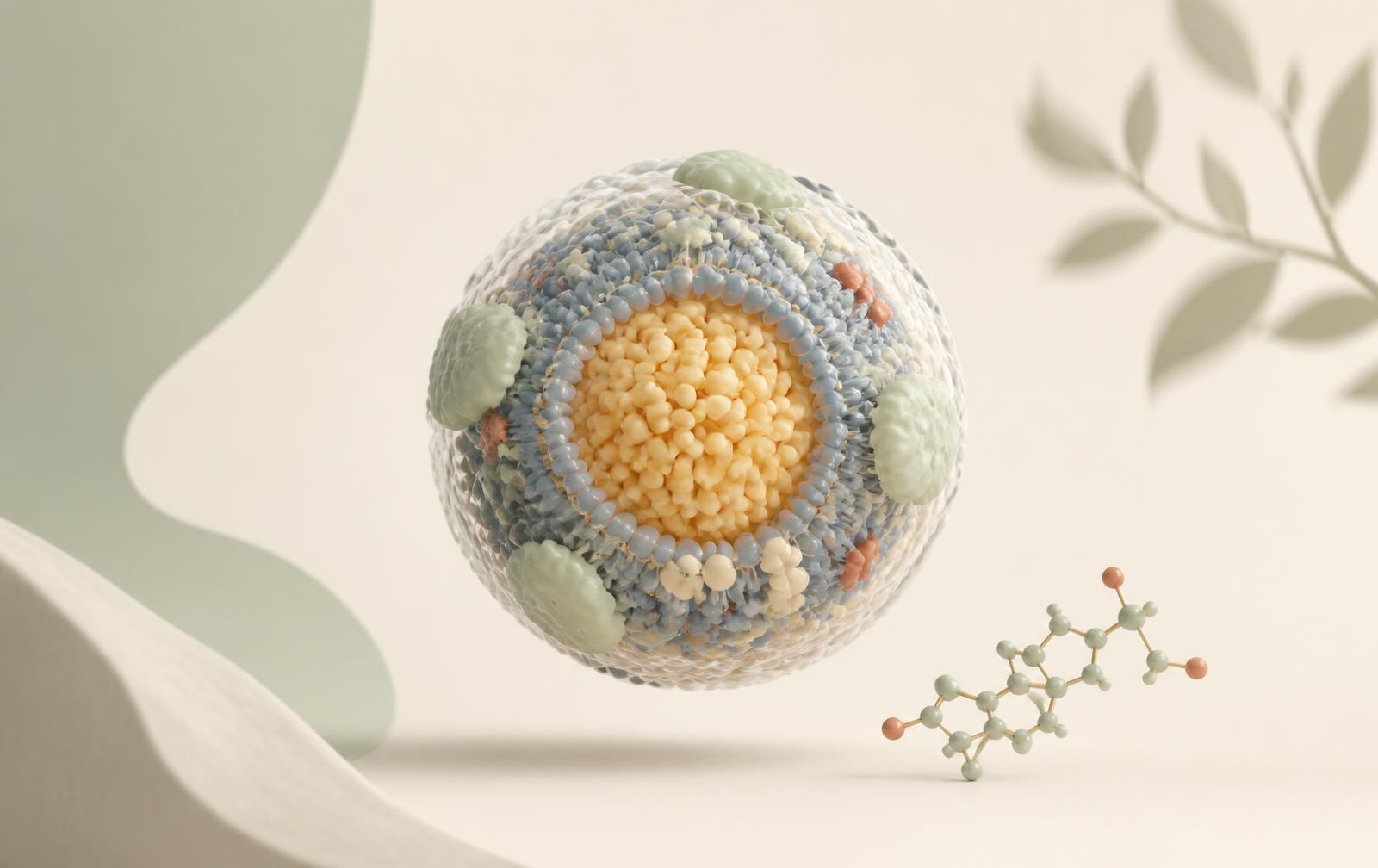
In order to reveal the con game I need to explain a little about two different kinds of LDL particles floating in your blood. In order to do that I’ll have to get into the weeds just a little bit as I describe the main characters in this drama and the role each one plays. If you stick with me through to the end you’ll know more about LDL cholesterol than about 99% of primary care physicians in this country, and I’d bet more than 90% of cardiologists.
The Characters: Non-oxidized LDL, Oxidized LDL, LDL receptors, and Macrophages
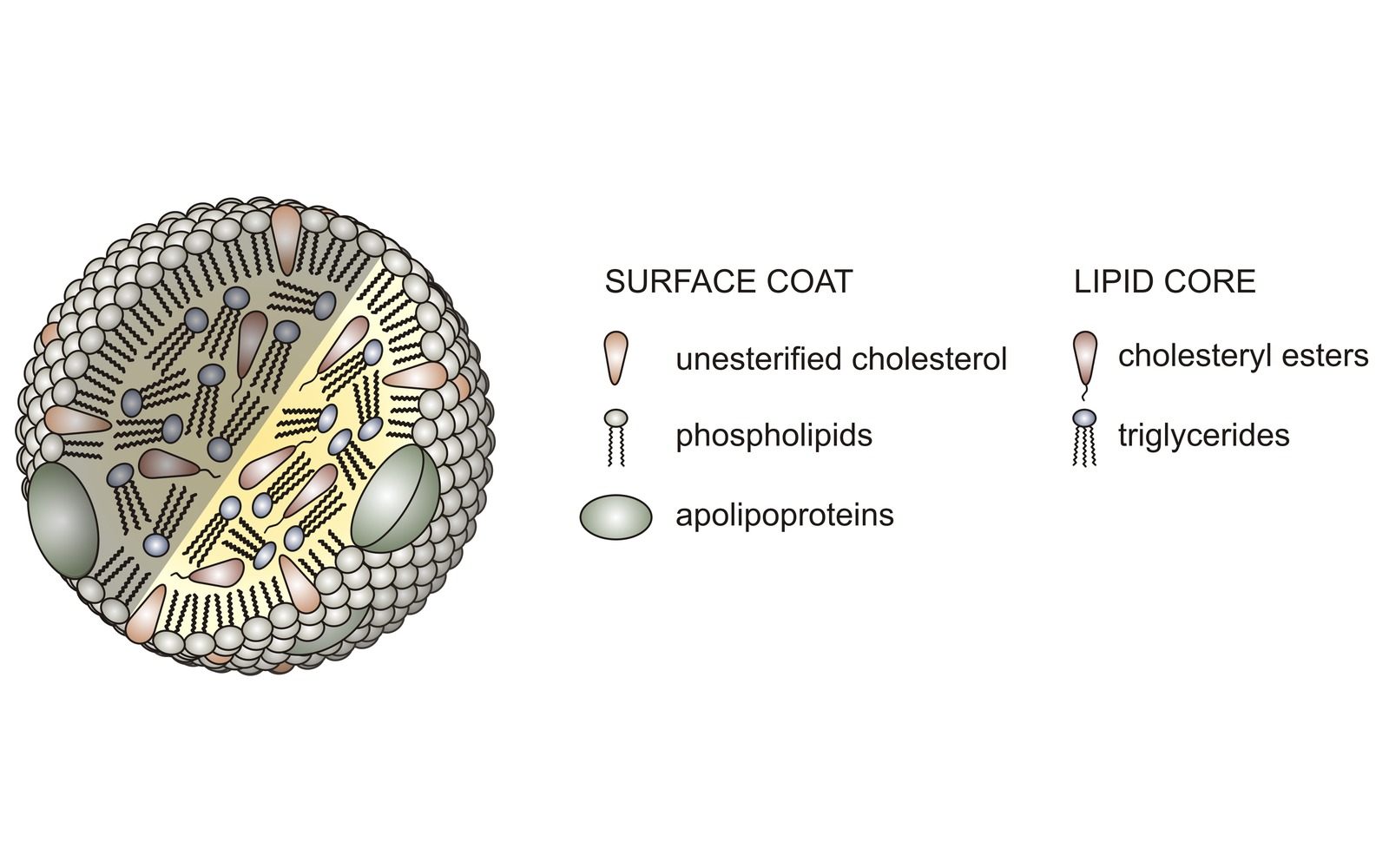
LDL stands for “low-density lipoprotein.” Each one is referred to as a particle and these particles are primarily created in your liver. Think of each one as a shuttle that carries vital fats and cholesterol to cells so cells can maintain their membranes and generally function properly.
The particles are “low density” because they have a lot of fat and cholesterol packed onto each particle. They are “lipoproteins” because they are built out of fat (“lipo”) that is around a protein core.
Fat, as we know, can go rancid. Many vegetable and seed oils that you purchase have on their label the maximum temperature they should be brought to when cooking. That temperature is called their “smoke point,” the temperature above which oxygen in the air “attacks” the oil. That reaction is said to oxidize the oil, turning it rancid and also very unhealthy to consume.
LDL particles contain lots of fat as well. There are a few ways that those particles can contain oxidized oil. First, if you consume foods containing or fried in oxidized oil, then your liver will use that oil to build LDL particles. If you see any vegetable or seed oil listed in the ingredients on a label, that is almost certainly oxidized oil. If you eat pretty much anything with a batter on it that has been fried, that’s a large serving of oxidized oil.
Second, the fat in the LDL can become oxidized on its way from your liver to your cells. Just as high temperature can oxidize oil, so can inflammation, or excess iron in your blood, or elevated blood sugar, or toxicants like heavy metals or pollutants. If those unoxidized LDL particles encounter any of these as it travels through your vessels they can become oxidized.
How plaques really form
As you might imagine, LDL particles carrying oxidized oil are not good for you. When they brush against the lining of your blood vessels they damage that lining and over time those particles will start to accumulate in the cracks and crevices that develop. If that happens our bodies have a very clever way of repairing the problem: send immune cells called “macrophages” to engulf those oxidized LDL particles.
The problem happens when those oxidized LDL particles just keep showing up. Macrophages have no “off” switch. They keep swallowing the LDL particles, eventually becoming what’s called a “foam cell.” As foam cells accumulate they grow into the infamous plaques that can block blood flow or become dislodged and clog a vessel downstream.
There is a very important piece of information about LDL particles and the macrophages that swallow them that doctors are not telling their patients (because they almost certainly don’t know this).
Macrophages have no “off” switch only for oxidized LDL particles. They take up a very limited number of non-oxidized LDL particles. In other words, with just a few exceptions, it is the oxidized LDL particles that are dangerous.
The missing test in your lipid panel
Let’s say you eat a diet that is relatively high in healthy oils, you eat organic as much as possible, you have a low level of inflammation in your body, and you exercise regularly. A diet that is high fat will likely raise the number of LDL particles being built in the liver. Remember, those particles are “fat shuttles” so more fat = more shuttles.
If your doctor runs a lipid panel and finds your LDL elevated above 100, a statin might be recommended to you. If your doctor didn’t test for oxidized LDL, though, there is no way to know how readily those LDL particles would be taken up by macrophages to create the foam cells that create the plaques that can lead to serious health problems.
Big Pharma continues to make billions annually off of keeping your doctor – and you – in the dark about the role of oxidized LDL in the development of plaques.
Keep in mind that biology is astoundingly complex. There is more to the story than I have told you here because I’ve tried to keep it as understandable as possible. If you would like to have your oxidized LDL tested, or would like a more complete explanation about LDL risk and the limitations of statin medications, schedule a consultation and we can talk it through: gregnigh.com/schedule-now, 503-719-4806, or email Lisa at drnigh_info@gregnigh.com. Patients in Rhode Island can schedule with me through rhodeislandnaturopathic.com.
Share this article
- Cardiovascular
Related topics from Dr. Nigh
- September 2026Optimizing Your Workout Time: The P.A.C.E. ProgramHow progressive exertion and recovery intervals can build cardiovascular adaptability in a compact daily workout.
- May 2026ApoB: A Major Cardiovascular Risk Marker Everyone Over 40 Should KnowApoB reveals broader cardiovascular risk than LDL alone. Learn why people over 40—or with family history—should test it regularly.
- May 2025Need a New Disease to Generate More Profits? Just Move the GoalpostsMany diseases in the US are not actually defined by symptoms we experience, but by values determined through testing. It is obvious, once you think about it for a moment, that if you narrow the “normal” range on the test, then more people will fall outside that normal range and thus will be a candidate for treatment. And, shocking to exactly no one, that treatment will likely bring billions of dollars of additional revenue into the medical machine. First, consider osteoporosis. With a strong tendency to be diagnosed in women over the age of 50, about 1 million women are diagnosed with osteoporosis annually in the US, and another 2-3 million diagnosed with more mild bone density loss called osteopenia. And how is this diagnosed and treated?
- September 2026Glucosepane: One of the Most Important Molecules You’ve Never Heard OfHow glucosepane may connect carbohydrate intake, deuterium management, collagen stiffness, and connective-tissue health.
Discussion
NOTE: Comments on blogs, once approved, become viewable to the public. If you would like to comment directly to Dr. Nigh privately in response to this blog post please email him directly by clicking here.
Comments are moderated. Your email address will never be shown publicly.
Loading comments…